Skip to content



Knowing the common triggers of slip and fall accidents is essential to implementing prevention strategies to avoid them and ensure your safety and the safety of others.
When you know the typical causes of slip and fall accidents, you can implement preventive strategies to avoid them and ensure your safety and the safety of others.
What are the common causes of slip and fall accidents?
Common causes of slip and fall accidents include:
- Wet or uneven surfaces
- Unsecured flooring
- Obstructed pathways
- Poor lighting
- Weather conditions
Wet or Slippery Surfaces
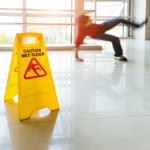
One of the most common causes of slip and fall accidents is wet or slippery surfaces resulting from spills, recent cleaning, or weather-related conditions such as rain or snow.
Here’s how to avoid slips on wet or slippery surfaces:
- Use caution when walking on freshly cleaned or wet floors.
- Wear shoes with non-slip soles to improve traction.
- Look for signs of wet feet and avoid walking through areas where spills are mopped up.
Uneven Surfaces and Poor Flooring Conditions
Uneven surfaces, such as cracked sidewalks, potholes, and damaged flooring, can pose a significant risk for slip and fall accidents.
Here’s how to avoid accidents caused by uneven surfaces:
- Inspect your property regularly for potential hazards and repair any damage promptly.
- Use caution when walking on uneven surfaces, especially in unfamiliar areas.
- Businesses should ensure that flooring meets safety standards and is well maintained.
Clutter and Obstructions
Clutter and obstacles on pathways can cause tripping and falls.
To minimize the risk of slip and fall accidents due to clutter:
- Keep pathways and common areas clear of clutter and obstacles.
- Store items correctly and do not leave them in high-traffic areas.
- Companies should establish and enforce clear policies for clean, unobstructed pathways.
Poor Lighting
Inadequate lighting can make it difficult to see potential hazards, increasing the risk of slip and fall accidents.
To improve visibility and reduce the risk of falls:
- Ensure indoor and outdoor areas are well-lit, especially stairwells, hallways, and parking lots.
- Replace burned-out light bulbs promptly.
- Use caution when walking in dimly lit areas and report inadequate lighting to the proper authorities or property owners.
Loose or Worn Carpets and Mats
Loose or worn carpets and mats can create tripping hazards and contribute to slip and fall accidents.
Here’s how to avoid accidents caused by loose or worn floor coverings:
- Secure carpets and mats with non-slip pads or double-sided tape.
- Check rugs and mats regularly for signs of wear and replace them as needed.
- Use caution when walking on loose or worn flooring and report all hazards to the property owner or manager.
Inadequate Handrails and Staircases
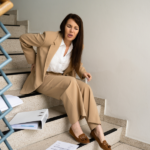
Slip and fall accidents can also occur on stairs, especially when missing or inadequate handrails.
Here’s how to minimize the risk of falling on stairs:
- Make sure stairs are well-lit and free of debris.
- Install sturdy handrails on both sides of the stairs.
- Be careful when climbing or descending stairs; always hold onto the handrail.
Understanding the typical causes of slip and fall accidents is crucial when taking steps to prevent them. You can significantly reduce the risk of slip and fall accidents by providing a safe environment, wearing appropriate footwear, and exercising caution in potentially hazardous areas.
By remaining vigilant and promoting a safety culture, we can work together to reduce the occurrence of these incidents and the injuries that result. If you need legal help, we can find you an injury lawyer right now for free!