Skip to content

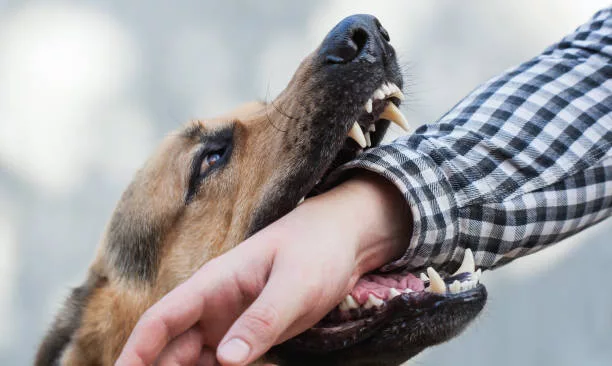

When a dog bites you, it can cause a roller coaster of emotions. In addition to the tangible pain, you may be plagued by fear and confusion, leading to an emotional dilemma. Knowing what steps to take after such an incident can make all the difference in your recovery, pursuit of justice, and entitlement to fair compensation.
1. Seek Medical Attention.
The first and most crucial step is to see a doctor. Dog bites can cause infections, puncture wounds, and other serious health problems. If a dog has bitten you, you should see a doctor soon. They will assess the extent of your injuries and recommend appropriate treatment. Keep all medical treatment records, as they are vital to any legal proceedings.
Why is immediate medical attention critical after a dog bite?
Medical intervention is essential to prevent infections or health complications from a dog bite. It also paves the way for thorough documentation of the injuries, which could be crucial for later legal proceedings.
2. Report the Incident.
After taking care of your immediate medical needs, you should report the dog bite to your local animal control agency or police department. Provide as much information as possible, such as details about the location of the incident, a description of the dog, and information about the identity of the dog’s owner. If there were witnesses, include their contact information as well.
3. Gather Evidence.
Gathering Evidence is crucial for your case. Begin preserving Evidence by taking photos of your injuries and the incident scene. If possible, obtain a copy of the dog’s vaccination record and any records of aggressive behavior. Collect any clothing or personal items that were damaged in the incident. This collected Evidence will serve as the basis for your case.
What Evidence is needed for a dog bite case?
For a solid dog bite case, you will need a comprehensive medical report, a detailed account of the incident, photographs documenting the injuries, details about the dog and its owner, and contact information for witnesses.
4. Consult with an Attorney.
Once the incident has been reported and the necessary Evidence has been gathered, it’s time to consult a personal injury attorney specializing in dog bites. They can provide much-needed guidance in the convoluted legal process and vigorously defend your rights.
Most personal injury lawyers offer free consultations and work on a contingency fee basis, meaning you only have to pay if you win your case.
5. Understand the Dog Bite Laws in Your State.
Different states in the United States have other dog bite laws. Some states have strict liability laws under which the dog owner is liable for all injuries caused by their animal, regardless of the dog’s prior conduct. In other states, the “one-bite rule” applies, under which the owner is liable only if they were previously aware of the dog’s aggressive tendencies.
It’s essential to familiarize yourself with your state’s laws and discuss them with your attorney.
6. File a Claim or Lawsuit.
Depending on the circumstances of your case and the laws in your state, your attorney might recommend filing an insurance claim against the dog owner’s homeowner’s or renter’s insurance policy.
If the dog owner doesn’t have an insurance policy or if their policy doesn’t adequately cover your damages, your attorney might suggest filing a claim against the dog owner.
7. Seek Compensation.
If you file a lawsuit, you may be entitled to compensation for your medical bills, lost income due to missed work, pain and suffering, and other damages. Your attorney will work with you to calculate the value of your claim and negotiate with the insurance company or dog owner on your behalf.
Experiencing a dog bite can cause distress. However, by following these steps and collaborating with an experienced attorney, you can ensure the protection of your rights and receive the compensation you deserve. If you need help, fill out our form and speak to a lawyer now for free.